Deep Dive into Data Structures and Algorithms
Data structures and algorithms are the backbones of computer science and software development. A strong grasp of DSA not only improves one's problem-solving abilities but also allows for effective design of software. The following article delves into the concepts, classifications, and real-life applications of data structures and algorithms.

What Are Data Structures?

Data structures are ways to organize, store, and manage data efficiently for specific purposes. They form the backbone for implementing algorithms and are thus necessary for solving computational problems effectively.
Types are:
- Arrays: Contiguous collections of elements of a fixed size.
- Linked Lists: A list of elements in which every element points to the next one.
- Stacks and Queues: Abstract data structures that represent LIFO and FIFO order.
- Trees and Graphs: Hierarchical and networked structures for representing relationships.
- Hash Tables: Structures that allow for efficient storage and retrieval of key-value pairs.
What Are Algorithms?
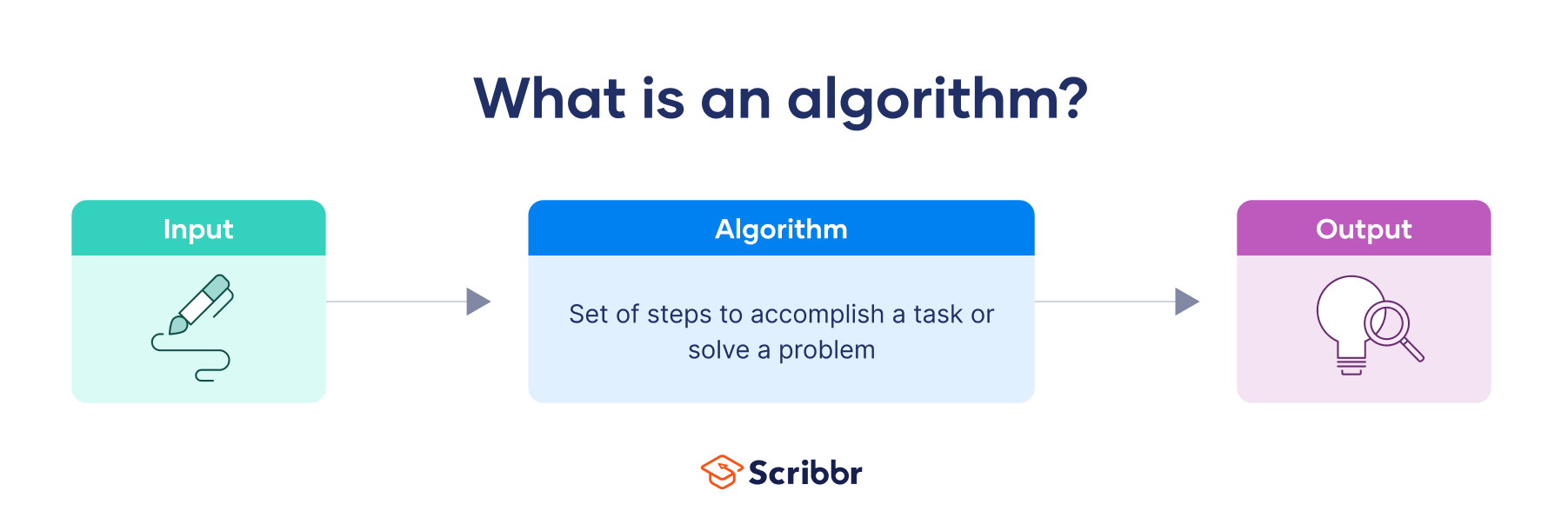
An algorithm is a step-to-step procedure to solve a specific problem. These are designed to be effective in terms of time and space complexities. Some of the characteristic features of good algorithms involve correctness, efficiency, scalability, and clarity.
Some commonly used algorithmic techniques are:
- Divide and Conquer: breaking problems into smaller sub-problems, solve them independently, and then combine the results (like Merge Sort).
- Dynamic Programming: solving problems by breaking them into overlapping sub-problems and storing intermediate results. For example, calculating the nth number in the Fibonacci sequence.
- Greedy Algorithms: making the locally optimal choice at each stage with a view to find a global optimum. For instance, Huffman Coding.
- Backtracking: systematically searching for solutions by trying partial solutions and abandoning those that do not work. For example, solving mazes.
Why Study DSA?
1.Efficient Problem Solving: Helps design efficient solutions to problems.
2.Optimized Resource Usage: Minimizes usage of computational resources such as memory and processing time.
3.Career Development: Important for technical interviews and competitive programming.
4.Scalability: Allows software to accommodate growing data volumes without a hitch.
Classification of Data Structures:-
1. Linear Data Structures:-
2. Non-linear Data Structures:-
Popular Algorithms and Their Use Cases:-

Real-World Applications:-
- Search Engines: Graphs and hash tables are used for indexing and querying.
- Social Media: Graph algorithms for friend recommendations.
- Gaming: Pathfinding algorithms like A* for AI opponents.
- Database Systems: B-Trees for indexing and efficient queries.


Comments
Post a Comment